Fluffy Buttermilk Pancakes
Tall, fluffy buttermilk pancakes with crispy golden edges. This easy recipe uses simple pantry staples and delivers perfect pancakes every single time in under 20 minutes.
Fluffy Buttermilk Pancakes
Ingredients
- 11 1/2 cups all-purpose flour
- 22 tbsp granulated sugar
- 31 tsp baking powder
- 41/2 tsp baking soda
- 51/2 tsp salt
- 61 1/4 cups buttermilk — cold
- 71 large egg
- 83 tbsp unsalted butter — melted and cooled
- 91 tsp pure vanilla extract
- 10Butter or oil for the pan
Introduction
Weekend mornings are made for pancakes. Not the thin, slightly rubbery kind that taste like they were made from a box mix. I mean real, tall, fluffy pancakes — the kind with crispy lacy edges, a golden exterior, and an interior so soft it practically melts on contact with maple syrup.
The secret to getting there is buttermilk. When buttermilk (an acidic ingredient) meets baking soda, it creates a rapid carbon dioxide reaction that makes the batter airy before it even hits the pan. Combined with baking powder for extra lift, you get pancakes that rise high and stay tender.
I make these every Sunday. They take less than 30 minutes and they make the whole house smell incredible. Add fresh berries, real maple syrup, and a knob of butter melting on top, and you have a breakfast that feels like an occasion — even on a Tuesday.
Why This Recipe Works
Buttermilk provides acid AND moisture. The acid reacts with baking soda to create lift. The extra fat and proteins in buttermilk create a more tender, flavorful pancake than regular milk.
Both baking powder and baking soda. Baking powder provides consistent rise; baking soda reacts with the buttermilk for immediate, dramatic puffiness. Together, they give maximum height.
The rest period matters. Let the batter rest 5 minutes after mixing. The flour hydrates, the leavening activates, and you get bubbles forming in the batter before it even hits the pan.
Lumpy batter is correct batter. I cannot stress this enough. If your batter is smooth, you overmixed. Lumps are pockets of un-hydrated flour that disappear during cooking and keep the texture light.
Ingredients Breakdown
All-Purpose Flour — The structure. Measure correctly (spoon into cup, level off) or weigh (190g).
Buttermilk — The magic ingredient. Don't substitute with regular milk if you can avoid it. The difference in rise and flavor is significant.
Baking Powder + Baking Soda — The dual-leavening system. Don't substitute one for the other.
Melted Butter — Adds richness and helps achieve golden, crispy edges. Cooled melted butter, not hot (hot butter will cook the egg).
Egg — Provides structure and richness. One egg is enough — two eggs makes the pancakes more eggy and less fluffy.
Step-by-Step Instructions
Step 1: Combine dry ingredients. Whisk flour, sugar, baking powder, baking soda, and salt in a large bowl.
Step 2: Combine wet ingredients. In a separate bowl or large measuring cup, whisk buttermilk, egg, melted butter, and vanilla until combined.
Step 3: Mix (gently!). Pour wet ingredients into dry ingredients. Stir with a spatula or wooden spoon until JUST combined — 10-15 strokes maximum. The batter should be lumpy. Set aside for 5 minutes.
Step 4: Heat the griddle. Heat a non-stick griddle or large skillet over medium heat. It's ready when a few drops of water flicked on the surface bounce and evaporate immediately. Add a small knob of butter or drizzle of oil and let it coat the surface.
Step 5: Cook first batch. Pour about 1/3 cup of batter per pancake. Cook until bubbles form across the surface and edges look set (2-3 minutes). Flip carefully. Cook second side 1-2 minutes until golden.
Step 6: Keep warm. Place cooked pancakes on a wire rack in a 200°F oven while you finish the batch.
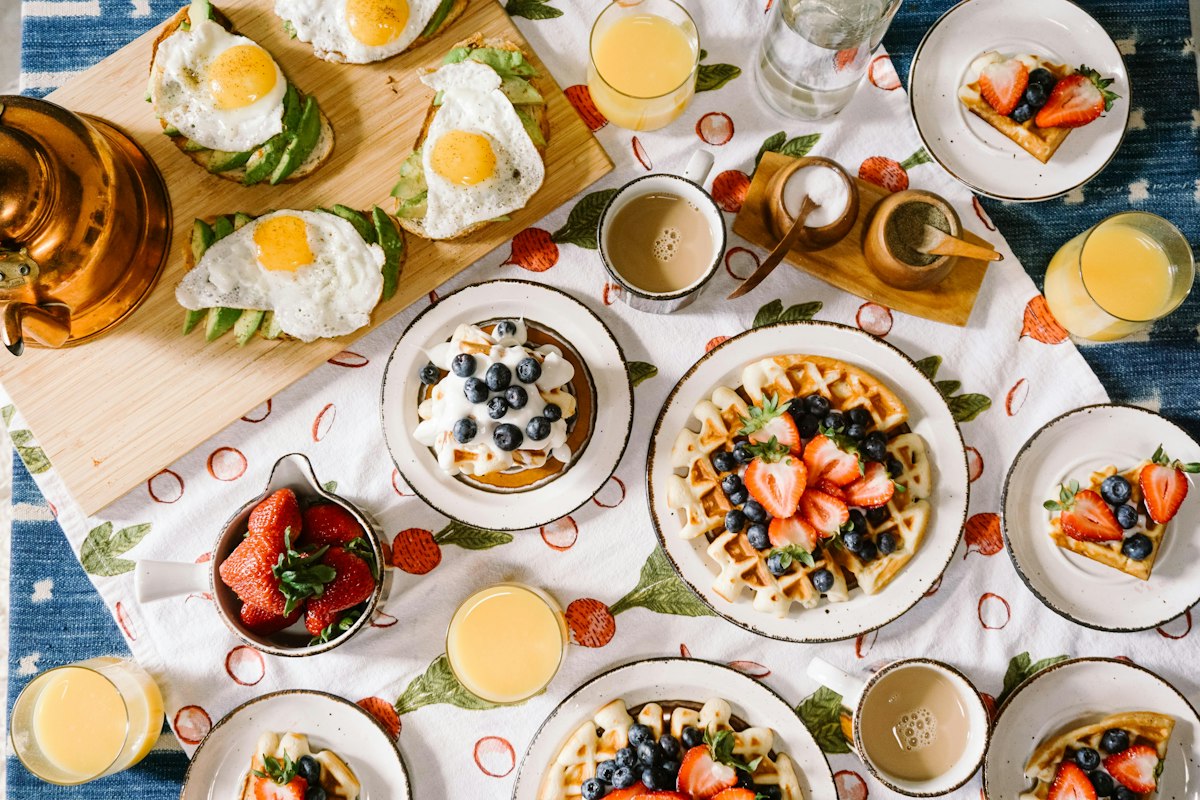
Step 7: Serve immediately. Stack high, top with real butter, maple syrup, and fresh berries.
Pro Tips
Temperature is everything. Too hot = burnt outside, raw inside. Too cool = pale, dense pancakes. Medium heat is right. If in doubt, cook a test pancake first.
Don't press down with the spatula. It deflates all the air bubbles you worked so hard to create.
Use a ladle or measuring cup for uniform sizes. Consistent sizing means consistent cooking times.
Grease lightly between batches. Too much butter or oil causes uneven browning. Wipe the pan with a paper towel and add just a small amount before each batch.
Common Mistakes to Avoid
Overmixing. Lumps are your friend. A smooth batter is an overmixed batter.
Pan too hot. Pancakes browning too fast before the interior cooks means the heat is too high. Reduce to medium-low.
Flipping too early. Wait for bubbles and set edges. Flipping too soon deflates the pancake and tears the surface.
Skipping the rest. Five minutes of resting makes a noticeable difference in height and tenderness.
Variations
Blueberry Pancakes: Fold 1 cup of fresh or frozen blueberries (tossed with 1 tsp flour) into the batter.
Chocolate Chip: Fold in 1/2 cup of mini chocolate chips.
Banana: Mash one ripe banana into the wet ingredients for natural sweetness and flavor.
Lemon Ricotta: Replace 1/4 cup buttermilk with ricotta and add the zest of 1 lemon.
Whole Wheat: Substitute half the all-purpose flour with whole wheat flour for a heartier, nuttier version.
Storage & Reheating
Refrigerator: Cooked pancakes keep for 3 days wrapped in plastic or in a zip-lock bag.
Freezer: Layer cooled pancakes between parchment sheets in a freezer bag. Freeze up to 2 months.
Reheating: Toast in a toaster or warm in a 350°F oven for 5 minutes. The toaster method actually crisps them up nicely.
Nutrition Information
Per serving (approximately 3 medium pancakes, without toppings).
| Nutrient | Per Serving |
|---|---|
| Calories | 285 kcal |
| Protein | 8g |
| Carbohydrates | 42g |
| Fat | 9g |
| Fiber | 1g |
| Sodium | 390mg |
Frequently Asked Questions
Related Recipes
Nutrition Information
Per serving. Estimates only.
285kcal
Calories
8g
Protein
42g
Carbs
9g
Fat
1g
Fiber
8g
Sugar
390mg
Sodium
Frequently Asked Questions
What if I don't have buttermilk?
Make a quick substitute: add 1 tablespoon of white vinegar or lemon juice to a measuring cup, then fill with regular milk to the 1 1/4 cup line. Stir and let sit for 5 minutes. It won't be identical, but it works very well.
Why shouldn't I overmix the batter?
Overmixing develops gluten strands that make pancakes tough and chewy instead of tender. It also deflates the gas bubbles created by the baking powder and soda. Stir only until the big flour streaks disappear — lumps are fine.
How do I know when to flip?
Look for bubbles on the surface of the pancake — when about half the bubbles have burst and the edges look set (not wet and shiny), it's time to flip. This usually takes 2-3 minutes on medium heat.
Can I make the batter ahead of time?
You can mix the dry and wet ingredients separately up to a night ahead, but don't combine them until right before cooking. Once mixed, batter loses its leavening power quickly. Freshly mixed batter makes fluffier pancakes.
How do I keep pancakes warm while I cook the rest?
Place them on a wire rack set over a baking sheet in a 200°F (93°C) oven. Don't stack them on a plate — steam from the bottom pancake makes them soggy. The oven method keeps them warm and crisp for up to 30 minutes.
Can I add mix-ins to the batter?
Yes! Fold blueberries, chocolate chips, sliced bananas, or diced strawberries into the batter right before cooking. For blueberries, toss them with a teaspoon of flour first to prevent them from sinking.