Japanese recipes Recipes
48 recipes in this collection
Explore our collection of japanese recipes recipes.

Japanese Slow-Cooked Pancake

Japanese Braised Rice Porridge

Japanese Stir-Fried Bone Broth

Japanese Air-Fried Stuffed Vegetable

Japanese Simmered Shrimp Dish

Japanese Teriyaki Chicken

Japanese Roasted Egg Dish

Japanese Baked Fermented Dish

Japanese Roasted One Pot Meal

Japanese Wok-Tossed Street Food Bowl

Japanese Wok-Tossed Crispy Snack

Japanese Pan-Seared Fried Rice

Japanese Steamed Grilled Skewers

Japanese Air-Fried Pickled Condiment

Japanese Simmered Stuffed Bread

Japanese Wok-Tossed Stuffed Vegetable

Japanese Braised Flatbread

Japanese Steamed Pancake

Japanese Braised Fermented Dish

Japanese Deep-Fried One Pot Meal

Japanese Braised Pickled Condiment

Japanese Deep-Fried Steamed Fish

Japanese Fried Fried Rice

Japanese Pressure-Cooked Rice Bowl

Japanese Roasted Coconut Curry

Japanese Stir-Fried Fermented Dish

Japanese Pressure-Cooked Curry

Japanese Deep-Fried Coconut Curry

Japanese Smoked Noodles

Japanese Clay-Pot Salad

Japanese Pan-Seared Stuffed Bread

Japanese Pressure-Cooked Dumpling

Japanese Roasted Sweet Dessert

Japanese Air-Fried Steamed Bun

Japanese Clay-Pot Spiced Tea

Japanese Pan-Seared Seafood Dish

Japanese Poached Steamed Fish

Japanese Air-Fried Bone Broth

Japanese Raw Stuffed Bread

Japanese Simmered Street Food Bowl

Japanese Stir-Fried Sweet Dessert

Japanese Wok-Tossed Marinated Beef

Japanese Baked Wrap

Japanese Braised Street Food Bowl

Japanese Wok-Tossed Curry

Japanese Clay-Pot Chicken Dish

Japanese Udon Noodle Soup

Japanese Simmered Salad
48+
Japanese recipes Recipes
Step-by-Step
Instructions
Full Nutrition
Every Recipe
Quick Jump
About Japanese recipes Recipes
Explore the wonderful world of japanese recipes — a culinary tradition rich in flavour, history, and technique. Whether you are a seasoned home cook or just beginning your kitchen journey, the recipes in this collection offer something for every skill level and palate. Japanese cooking draws on centuries of culinary wisdom, local ingredients, and cultural identity to produce dishes that are simultaneously comforting and exciting.
An Introduction to Japanese recipes
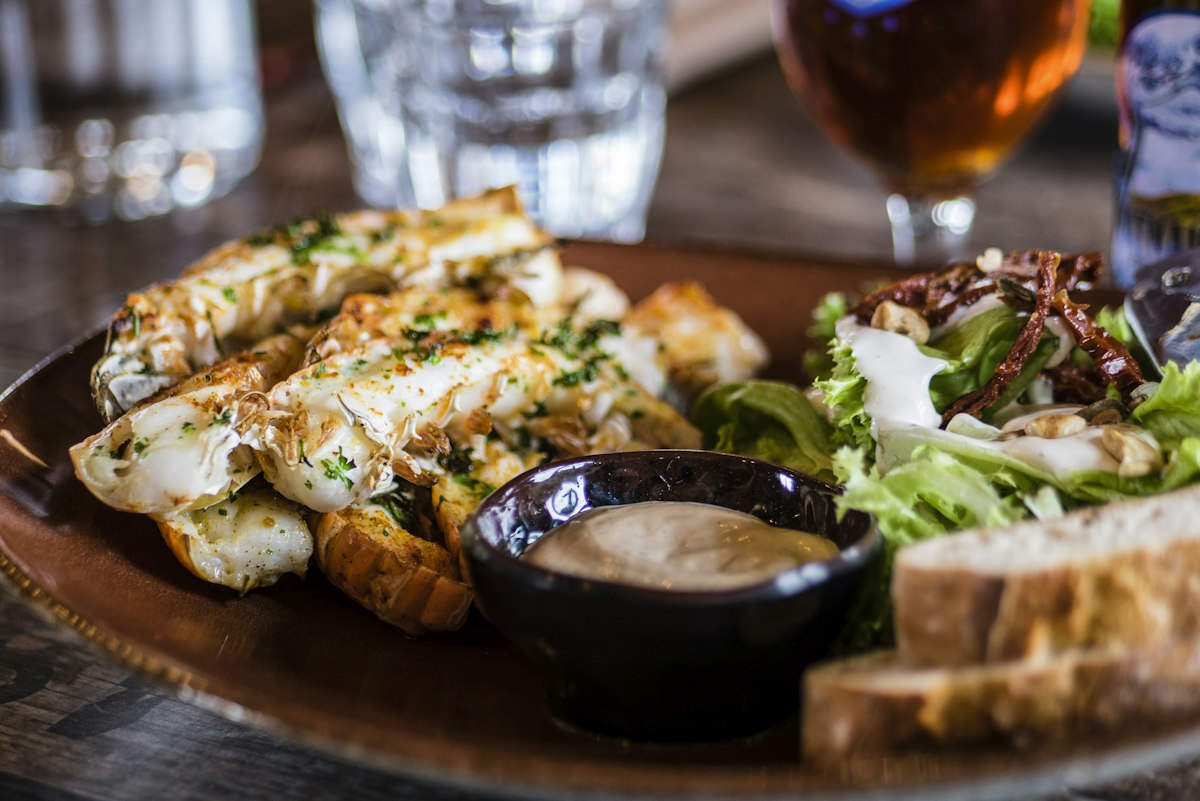
Japanese cuisine represents one of the world's great culinary traditions, characterised by bold flavours, inventive technique, and a deep connection to the land and seasons. The culinary heritage of Japanese extends back thousands of years, shaped by geography, climate, trade routes, and the cultural exchange that has always accompanied the movement of people and ideas.
At the heart of japanese recipes cooking lies an appreciation for quality ingredients and an understanding that great food emerges from respecting those ingredients — letting natural flavours shine rather than masking them. The pantry of a Japanese kitchen is built on specific staples: aromatic spices that have been traded for centuries, preserved ingredients that extend seasonal abundance, fermented products that add depth and complexity, and fresh produce that changes with the calendar.
The social dimension of japanese recipes cannot be understated. Food in this tradition is rarely solitary — it is the medium through which families gather, celebrations are marked, and cultural identity is reinforced. Recipes pass between generations not through written instructions but through the embodied knowledge of watching, smelling, tasting, and doing alongside those who learned before you.
Modern japanese recipes has evolved while maintaining its roots. Contemporary interpretations honour classical techniques while incorporating global influences and adapting to modern dietary preferences. The result is a living culinary tradition — one that is simultaneously ancient and current, local and universal.
Iconic Japanese recipes Dishes Worth Mastering
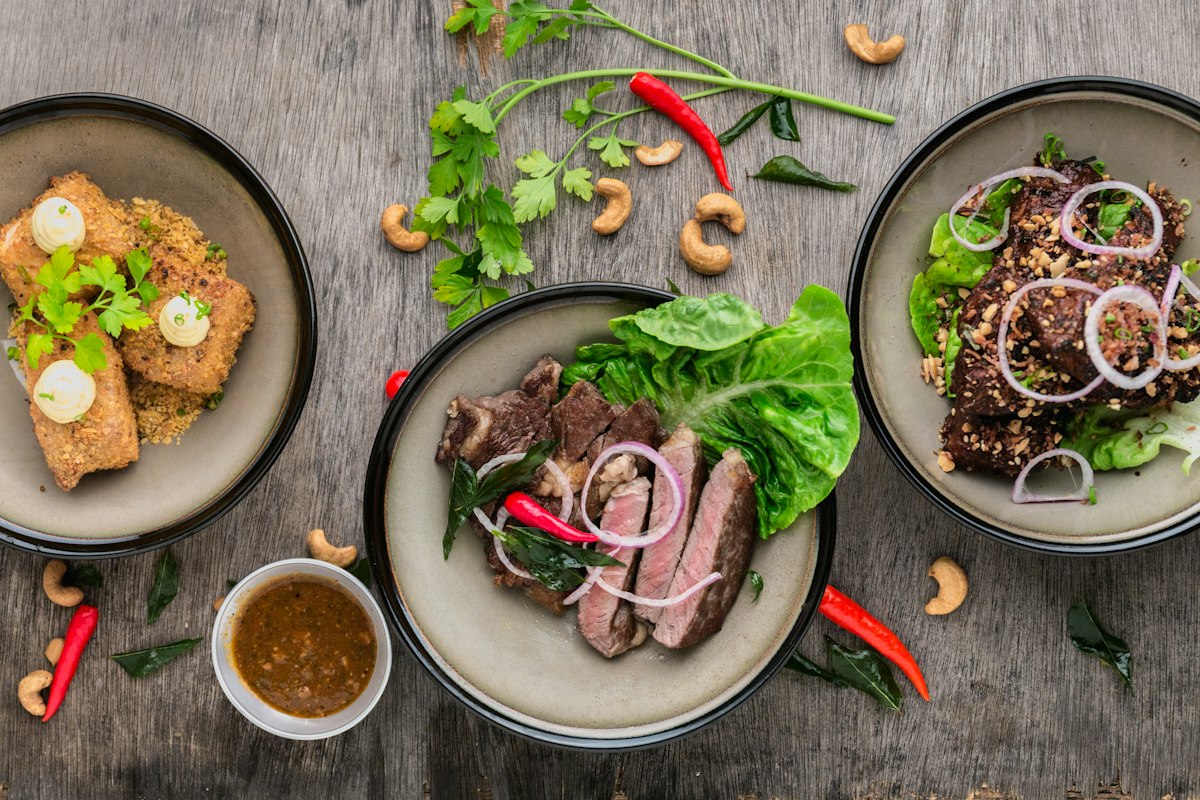
Every culinary tradition has its landmark dishes — the recipes that define it for the outside world and that every practitioner aspires to perfect. These are not merely the most famous dishes; they are the ones that best express the soul of the cuisine, encoding its essential flavours, techniques, and values into a single, iconic preparation.
What makes these dishes iconic is not complexity but character. Each one achieves a specific flavour profile that is unmistakably recognisable — one bite and the cuisine announces itself clearly. The seasoning, the technique, the balance of elements — all are calibrated by centuries of refinement to produce maximum pleasure with minimum waste.
Mastering these dishes requires patience and repetition more than natural talent. The professional chefs who execute these classics flawlessly do so not because they are more gifted but because they have made the same dish hundreds or thousands of times, accumulating the sensory knowledge that no recipe can fully convey. The first time you make any of these dishes, follow the recipe precisely. The second time, notice what worked and what didn't. By the fifth or sixth time, the dish will begin to feel like your own.
The descriptions that follow cover the essential techniques, ingredient choices, and common pitfalls for each key recipe. Read them in full before cooking rather than as you go — understanding the arc of a dish before you begin dramatically improves both your technique and your confidence.
Nutritional Profile: The Health Benefits of Japanese recipes
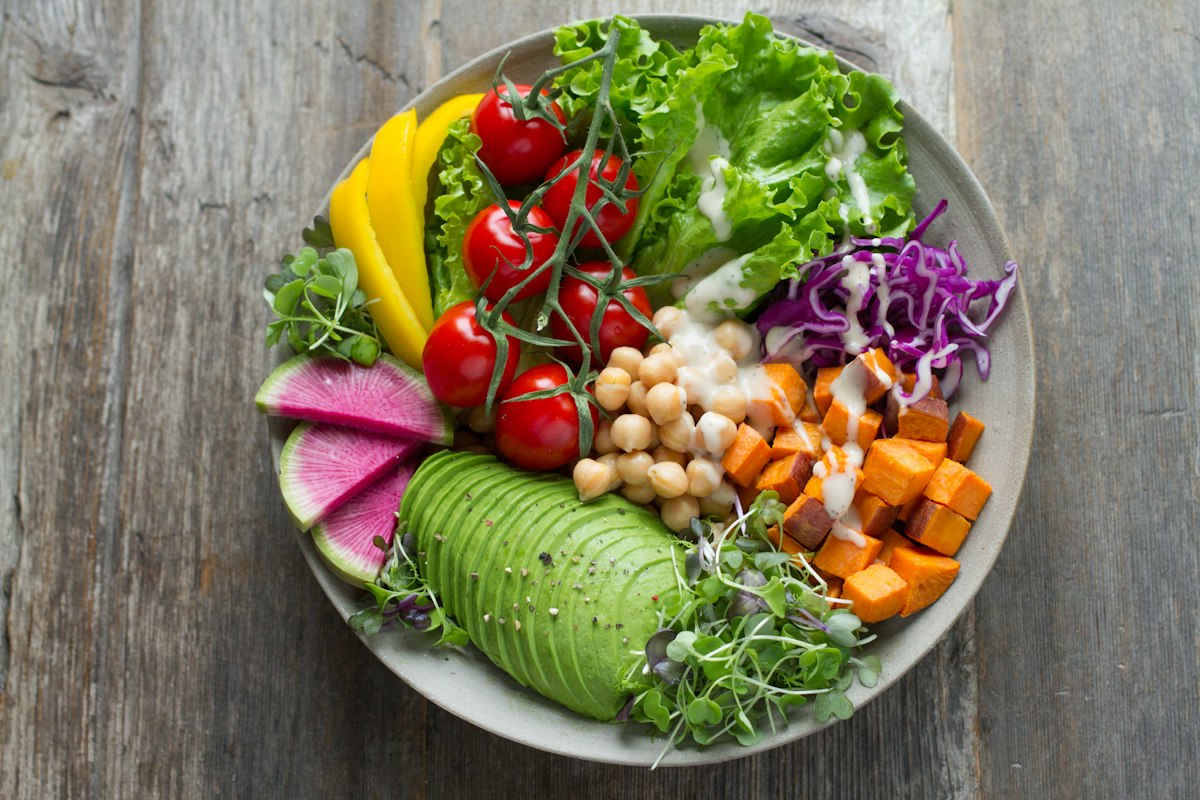
Examining the nutritional characteristics of japanese recipes reveals a cuisine well-adapted to the human body's needs. The staple ingredients — whether grains, legumes, vegetables, proteins, or fats — reflect centuries of selection for foods that sustained hard-working populations through demanding physical lives.
The macronutrient balance in traditional japanese recipes dishes tends toward whole-food carbohydrate sources (grains, root vegetables, legumes) combined with moderate protein and quality fats. This combination produces sustained energy, adequate amino acid availability for tissue repair, and fat-soluble vitamin absorption simultaneously.
Particularly notable are the micronutrient concentrations provided by the cuisine's characteristic ingredients. Spices, herbs, and aromatics — used in quantities far exceeding the decorative sprinklings of much Western cooking — contribute meaningful antioxidant, anti-inflammatory, and antimicrobial compounds. The regular consumption of fermented ingredients (where applicable) contributes to gut microbiome diversity, which emerging research links to immune function, mental health, and metabolic efficiency.
For those following specific dietary goals, japanese recipes offers genuine flexibility. Plant-based versions of most classic dishes are achievable with minimal compromise on flavour, often simply by substituting legumes, tofu, or additional vegetables for meat proteins. Gluten-free versions are frequently natural to the cuisine's historical roots. The key is working with the cuisine's flavour logic rather than against it — substitution is easiest when you understand what each ingredient contributes to the whole.
Essential Cooking Techniques for Japanese recipes
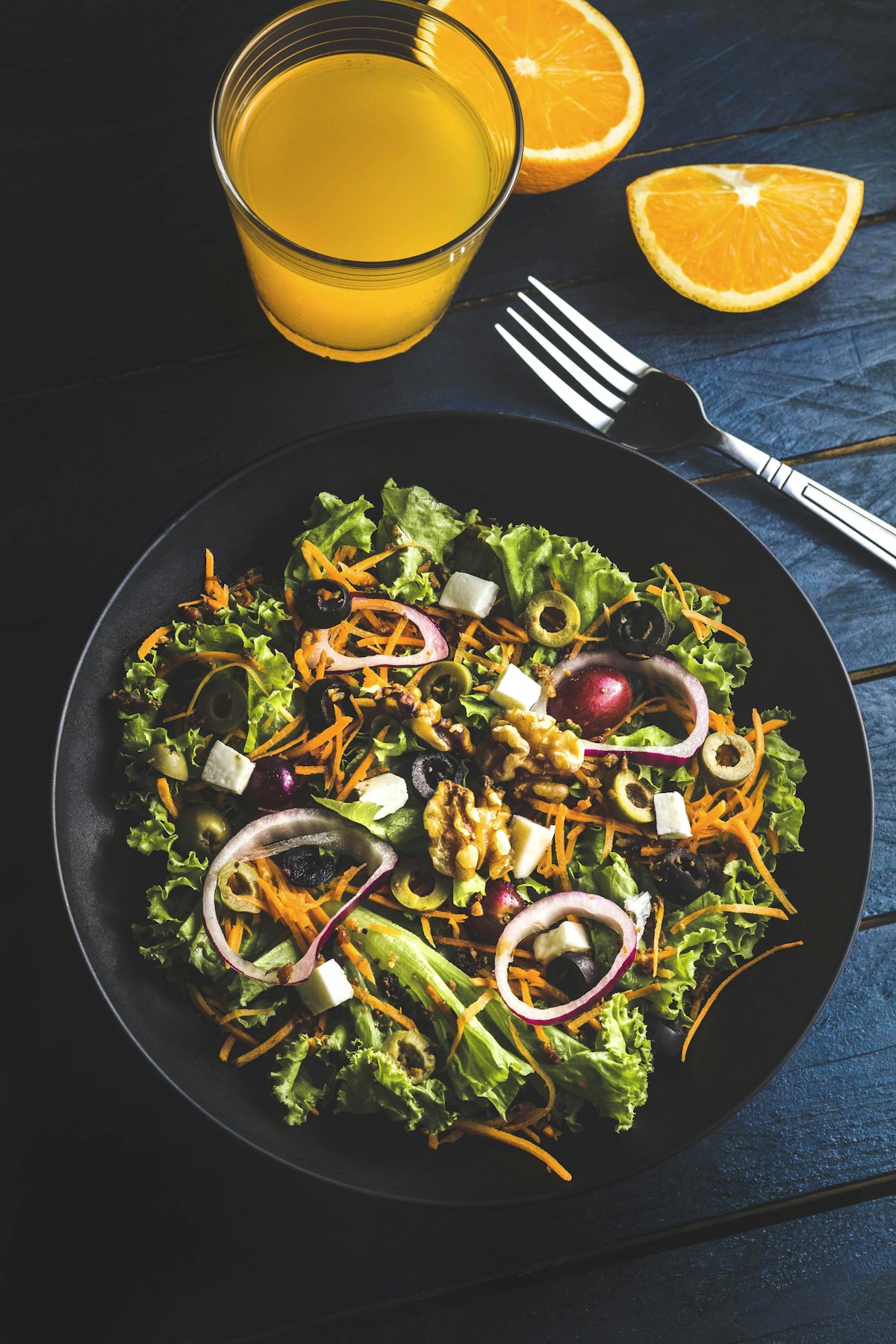
Every cuisine has its signature techniques — the specific methods of applying heat, combining ingredients, and manipulating texture that define its character. Mastering these techniques is more valuable than memorising individual recipes, because they provide the foundation from which hundreds of dishes can be understood and eventually improvised.
Spice and aromatics management: Most cuisines begin with the careful building of an aromatic foundation — the combination of base vegetables and spices cooked in fat that provides the flavour scaffold for the entire dish. Understanding when to add whole spices versus ground, how long to cook each aromatic, and when to add wet ingredients on top of this base is the foundational technique for the entire flavour architecture of japanese recipes cooking.
Heat control and timing: Different ingredients require different heat levels and cooking times to achieve their best result. Hard vegetables need longer at medium heat; delicate proteins require brief exposure to high heat; leafy greens should be added at the last moment. Understanding these individual requirements and sequencing them correctly is the practical skill that separates competent japanese recipes cooking from excellent japanese recipes cooking.
Balancing the dish: The finishing of a japanese recipes dish — adjusting salt, adding acid (vinegar, citrus, tamarind), balancing sweet and savoury, calibrating heat level — is where expertise most clearly shows. These final adjustments take seconds but depend on an educated palate developed through years of tasting. The habit of tasting throughout cooking, rather than only at the end, is the single most impactful change a home cook can make.
Resting and serving: Many japanese recipes dishes benefit from resting before serving — sauces develop complexity as they sit; braised meats become more tender as proteins relax; marinated salads improve as ingredients exchange flavours. Respecting these resting times, even when hunger demands immediate eating, reliably produces better results.
Japanese recipes Ingredient Shopping Guide
Sourcing quality ingredients appropriate to japanese recipes cooking can feel daunting, particularly if the cuisine's staples are unfamiliar. This guide focuses on the most important purchases and where to find them.
Pantry staples: The pantry of a japanese recipes kitchen should be built up gradually over time. Rather than buying everything at once (expensive and likely wasteful if some ingredients prove difficult to incorporate into your regular cooking), buy the ingredients required for each recipe as you make it, and over the course of six months a well-stocked pantry appropriate to the cuisine will accumulate naturally.
Specialist shops and online sourcing: Many speciality ingredients for japanese recipes cooking can be found at international food shops, ethnic supermarkets, or online retailers specialising in global food products. These sources frequently offer better quality and significantly lower prices than supermarkets for core ingredients. Building a relationship with a reliable specialty supplier is worth the initial effort of research.
Seasonal considerations: Like all great cuisines, japanese recipes cooking is seasonally grounded — the best versions of its dishes rely on produce at peak freshness. Understanding the seasonal calendar for key ingredients and planning your cooking around seasonal availability produces better results than trying to make summer-specific dishes in winter with inadequate produce.
Freshness markers: For the most important fresh ingredients — herbs, produce, fish, meat — learn the freshness markers specific to each. Fresh herbs should be bright-coloured and fragrant; wilted, yellowing herbs have lost most of their volatile oils. Fresh fish should smell of the sea, not of fish; the flesh should be firm and springy. Learning these sensory markers is far more reliable than dates on packaging.
Frequently Asked Questions About Japanese recipes Recipes
What makes Japanese recipes cuisine unique?
Is Japanese recipes cuisine healthy?
How do I adapt Japanese recipes recipes for dietary restrictions?
What equipment do I need to cook Japanese recipes recipes at home?
Where can I find authentic Japanese recipes ingredients?
Explore Related Categories
Find your perfect recipe with our tools: