
Modern American
Avocado Toast with Poached Egg
(4.7)
10 min·2 servings·320 kcal
View Recipe
50 recipes in this collection
Start your day right with our collection of morning classics, weekend brunch ideas, and quick weekday breakfasts.


50+
Breakfast Recipes
Step-by-Step
Instructions
Full Nutrition
Every Recipe
Quick Jump
Breakfast is more than the first meal of the day — it's the ritual that sets the tone for everything that follows. Whether you favour a slow Sunday morning stack of buttermilk pancakes dripping with maple syrup or a five-minute weekday scramble that gets you out the door on time, breakfast has the remarkable ability to transform your mood, energy, and focus for hours. Food historians trace the modern breakfast tradition back centuries: Roman labourers fuelled up on bread, olives, and cheese at dawn; Tudor England celebrated breakfast with cold meats and ale; and the Victorian era ushered in the elaborate full cooked breakfast that remains a beloved staple today. Across the globe, breakfast wears a thousand faces — steaming bowls of congee in Guangdong, crispy dosas with sambar in Chennai, shakshuka bubbling in cast-iron pans in Tel Aviv, and towering stacks of French toast in Brooklyn diners. Every culture has shaped its morning meal around local ingredients, climate, and rhythm of life, and each version is worth exploring.
The phrase "breakfast is the most important meal of the day" is backed by a compelling body of nutritional science. When you wake up, your body has been fasting for seven to ten hours. Blood glucose is at its lowest point, glycogen stores in the liver are depleted, and cortisol — the body's natural wake-up hormone — is surging. Eating within one to two hours of waking kicks off a chain of metabolic events that researchers have linked to better cognitive performance, improved weight management, and stronger immune function.
A landmark study published in the American Journal of Clinical Nutrition followed over 50,000 adults for seven years and found that those who regularly ate breakfast had significantly lower body mass indices than those who skipped it. The reasoning is counter-intuitive: eating a structured morning meal actually reduces total daily caloric intake by curbing the mid-morning blood sugar crash that drives cravings for quick-fix, high-sugar snacks.
For children and adolescents, the evidence is even stronger. Studies consistently show that students who eat breakfast score higher on standardised tests, exhibit better concentration, and miss fewer school days. This is because the brain is a glucose hog, consuming up to 20 percent of the body's total energy. After a night of sleep, that tank needs refilling before any serious cognitive work can begin.
From a macronutrient standpoint, the ideal breakfast combines complex carbohydrates (for sustained energy), quality protein (to trigger satiety hormones), and a moderate amount of healthy fat (to slow digestion and stabilise glucose release). Fibre plays a crucial supporting role, feeding the gut microbiome and prolonging the feeling of fullness. Micronutrients matter too — B vitamins from wholegrains support nervous system function, vitamin C from fresh fruit boosts iron absorption, and calcium from dairy or fortified plant milks supports bone density.
That said, breakfast is not one-size-fits-all. Some people thrive on intermittent fasting protocols that delay their first meal until noon. Others have medical conditions — from diabetes to irritable bowel syndrome — that require careful management of morning food choices. The key is listening to your body and building a breakfast routine that genuinely energises rather than merely satisfies a habit. The recipes in this collection are designed to give you options for every schedule, preference, and nutritional goal.

Classic Eggs Benedict — Poached eggs on toasted English muffins crowned with Canadian bacon and silky hollandaise sauce. The hollandaise is an emulsion of egg yolks, clarified butter, and lemon juice — arguably the most technically demanding sauce in the Western canon. The secret is temperature: too hot and the yolks scramble, too cold and the butter won't emulsify. Getting it right produces a sauce of extraordinary richness that elevates the whole dish from hearty to luxurious.
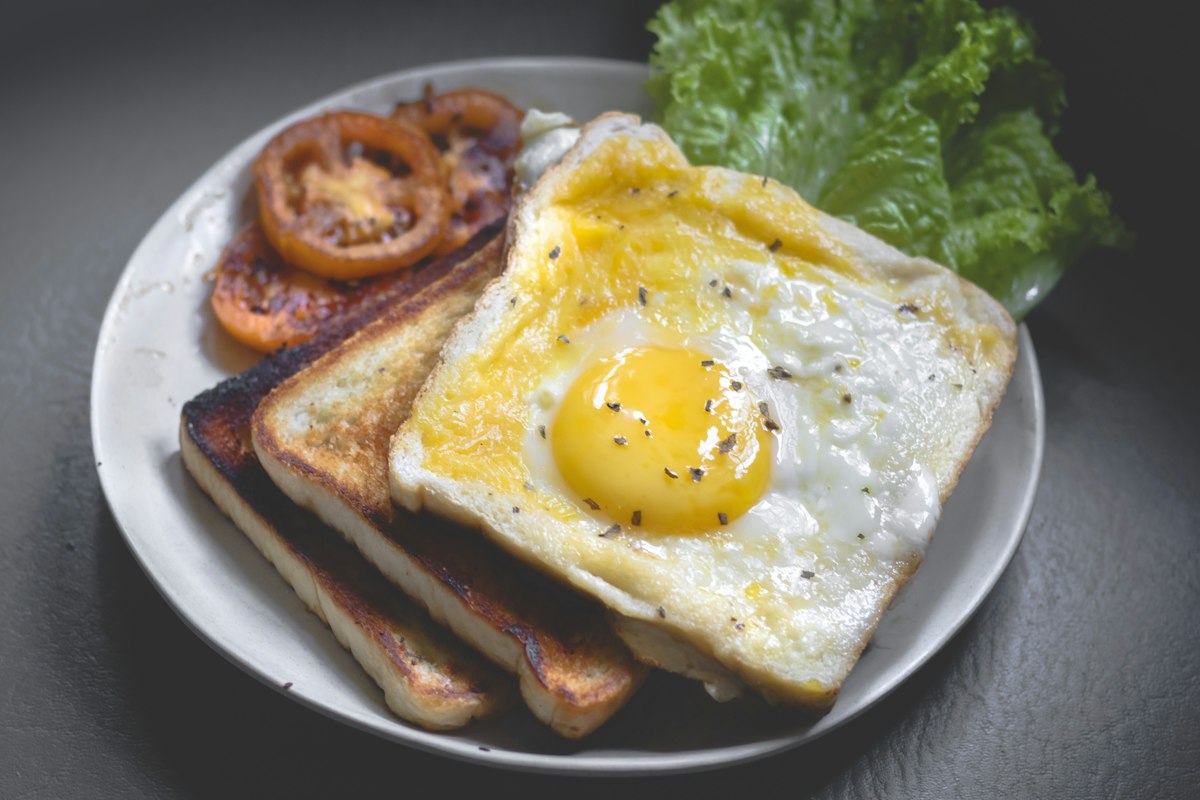
Avocado Toast — What seemed like a millennial Instagram fad has proven to be a genuinely excellent breakfast: creamy healthy fats from ripe avocado, fibre and complex carbohydrates from sourdough, and virtually infinite topping possibilities. Crushed red pepper, a soft-poached egg, everything bagel seasoning, microgreens, or smoked salmon all work beautifully. Nutritionally it delivers monounsaturated fats, potassium, folate, and vitamin K in abundance.
Overnight Oats — Cold-soaked oats have taken the meal-prep world by storm for good reason. Combining rolled oats with milk (dairy or plant-based), chia seeds, and a sweetener the night before produces a creamy, ready-to-eat breakfast that requires zero morning effort. The soaking process activates enzymes that partially break down phytic acid, improving mineral absorption, and the texture becomes luxuriously thick without any cooking. Topping variations are endless: berries, banana, peanut butter, cacao nibs, coconut flakes.
Full English Breakfast — The great British institution: back bacon, pork sausages, baked beans, fried or scrambled eggs, grilled tomato, sautéed mushrooms, and toast. At its best it is a magnificent protein-and-carbohydrate assembly designed to sustain a day of physical labour. At its worst it is a greasy catastrophe. The difference lies in sourcing quality ingredients (good butcher's sausages and dry-cured bacon are essential) and proper technique — everything should be cooked simultaneously and served piping hot.
French Crêpes — Paper-thin batter of flour, eggs, milk, and butter cooked in a well-seasoned pan produces one of the most versatile breakfast vehicles imaginable. Sweet crêpes with Nutella and banana, or savoury galettes made from buckwheat flour filled with ham and Gruyère — both are legitimate breakfasts that happen to also qualify as indulgences. The French make crêpe-making look effortless; the trick is a batter that has rested for at least thirty minutes and a pan that is genuinely hot before the first pour.
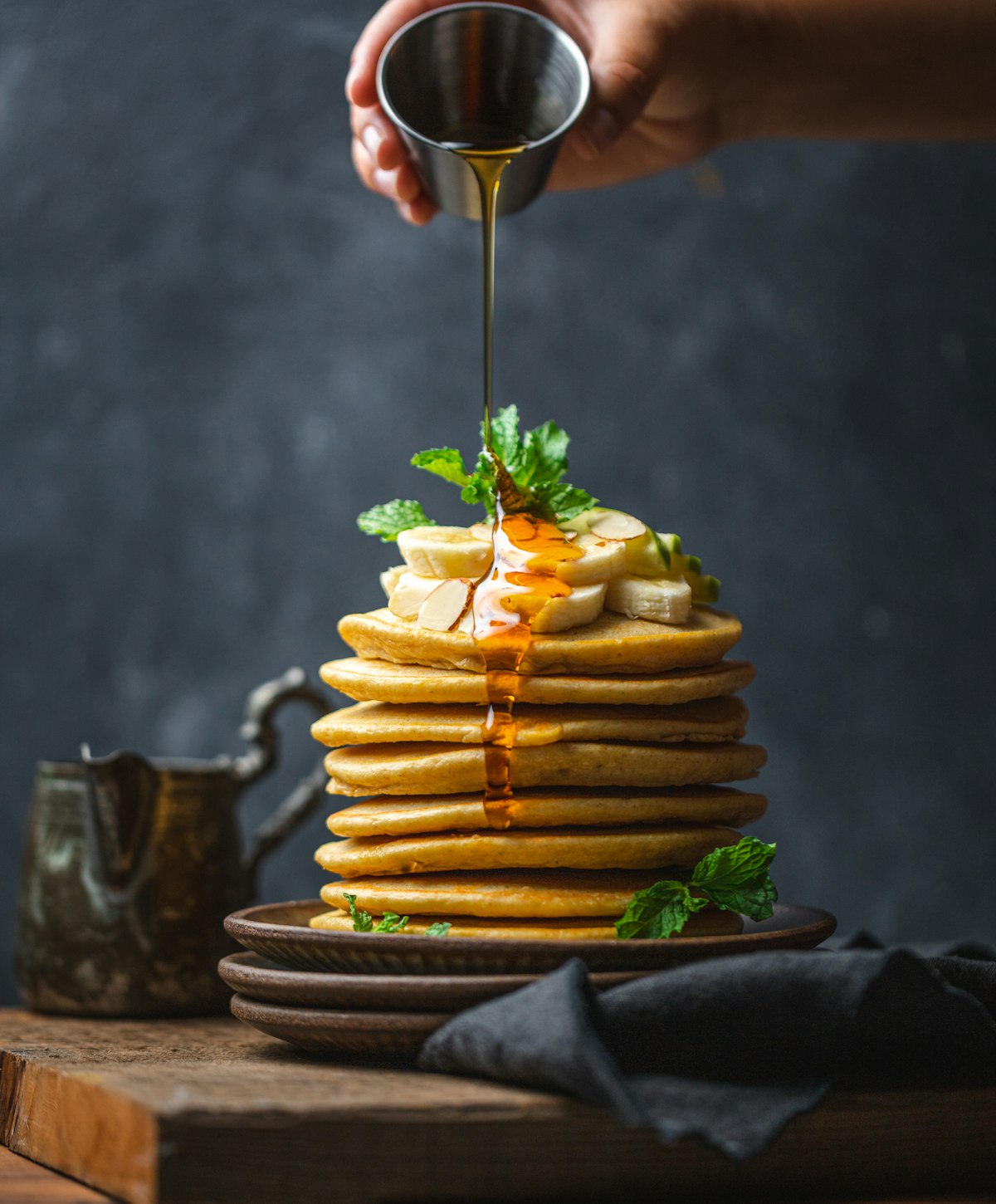
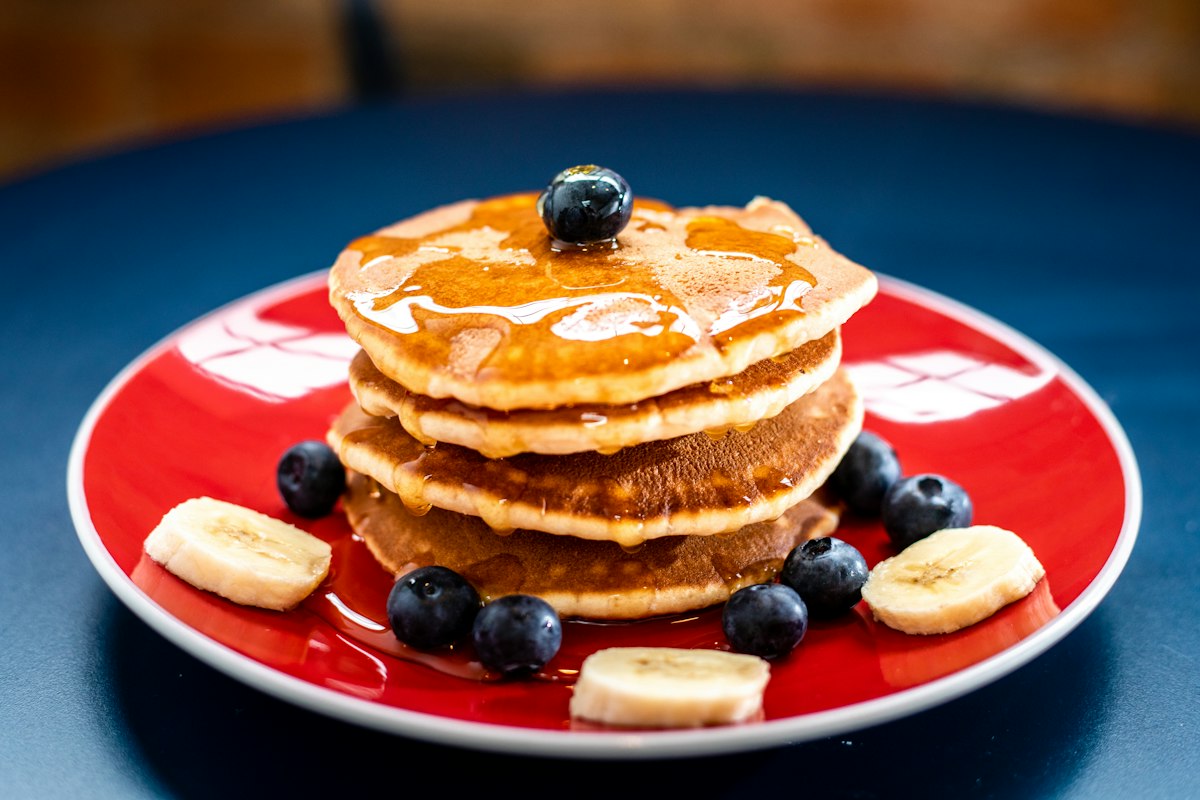
American Pancakes — Thick, fluffy, golden discs that bear no resemblance to their French cousins. The secret is a chemical reaction between baking powder (or the combination of baking soda and buttermilk) and heat: CO₂ bubbles form in the batter and expand rapidly in the pan, creating the characteristic rise. Over-mixing is the enemy — a lumpy batter produces a tender pancake; a smooth batter produces a rubbery one. Blueberry, chocolate chip, or banana walnut — the variations are part of the joy.
Building a nutritionally sound breakfast doesn't require a degree in dietetics — it requires understanding a few core principles and applying them flexibly. The foundation is macronutrient balance: a breakfast that is overwhelmingly carbohydrate-heavy (think a bowl of cornflakes with skimmed milk) will produce a sharp blood glucose spike followed by an equally sharp crash two hours later, leaving you hungrier than before you ate. Adding protein and fat flattens that curve dramatically.
Protein targets: Aim for 20–30 grams of protein at breakfast. This is the level research has identified as most effective for triggering muscle protein synthesis and maximising satiety hormone response. Eggs (6g each), Greek yoghurt (15–20g per 200g serving), cottage cheese (14g per 100g), smoked salmon (20g per 100g), and legumes (7–9g per 100g cooked) are all excellent sources. Plant-based eaters can combine tofu scramble with hemp seeds and nut butter to hit similar targets.
Carbohydrate quality: Not all carbohydrates are created equal. Wholegrains — oats, wholemeal bread, brown rice porridge — release glucose gradually due to their intact fibre matrix, providing sustained energy. Refined carbohydrates like white bread and commercial cereals stripped of their bran and germ hit the bloodstream faster. If you love white toast, offset the glycaemic load by adding avocado, nut butter, or eggs.
Healthy fats: Avocado, extra-virgin olive oil, nuts, seeds, and oily fish deliver monounsaturated and omega-3 fatty acids that are essential for brain function, hormone production, and absorption of fat-soluble vitamins A, D, E, and K. The old fear of dietary fat causing heart disease has been largely overturned — it is the combination of fat with refined carbohydrates, not fat alone, that drives metabolic dysfunction.
Micronutrients to prioritise: Iron (from eggs, fortified cereals, spinach), calcium (dairy, fortified plant milks, almonds), folate (eggs, leafy greens, fortified breads), and B12 (eggs, dairy, fortified foods for vegans) are all particularly important at breakfast because they set the stage for enzymatic reactions that run all day. A glass of fresh orange juice alongside iron-rich foods significantly boosts iron absorption through the action of vitamin C.
Hydration: Often overlooked, rehydrating after sleep is critical. Starting with a large glass of water before coffee significantly improves alertness and reduces the dehydration-driven confusion that many people misinterpret as hunger. Herbal teas, coconut water, and diluted fruit juice all count toward morning hydration goals.
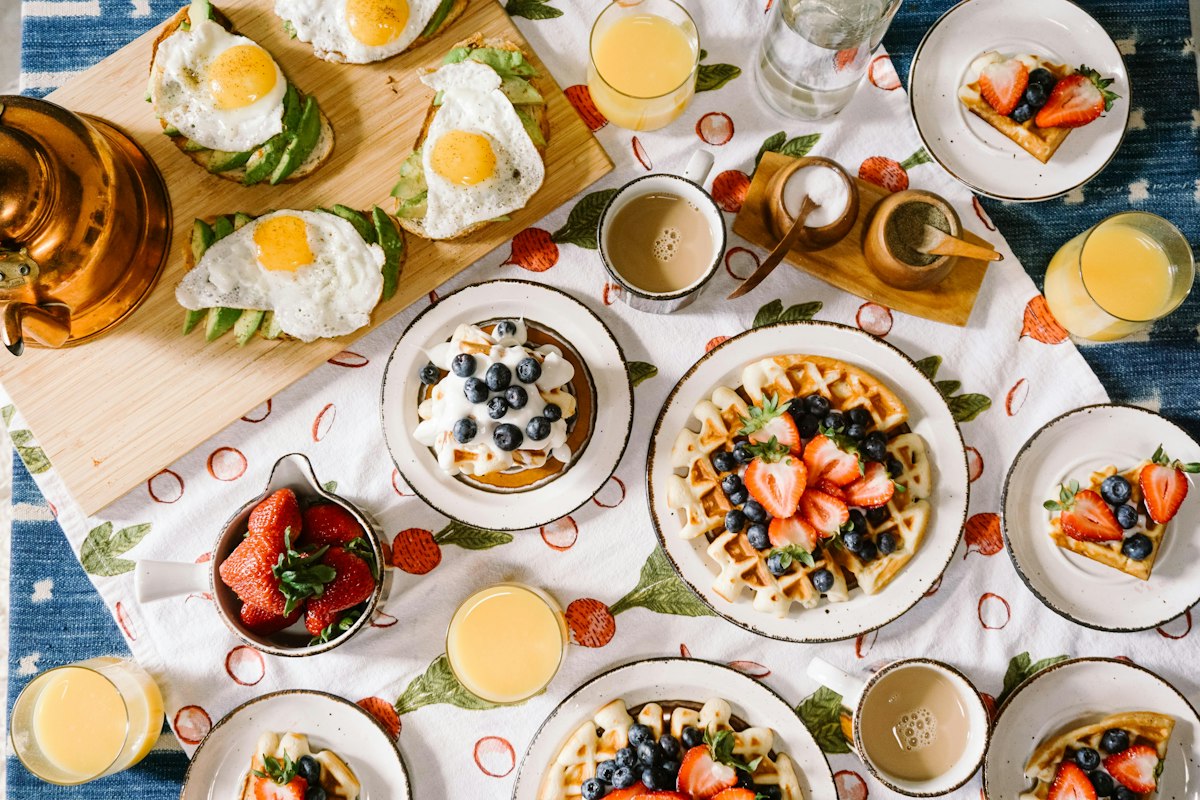
Perfecting the Poached Egg: The perfect poached egg — a firm white encasing a still-liquid golden yolk — is one of those fundamental techniques that separates confident cooks from nervous ones. The science is straightforward: bring water to a gentle simmer (not a rolling boil), add a splash of white wine vinegar (which helps proteins set faster), create a vortex by stirring, and slide the cracked egg into the centre. The swirling water wraps the white around the yolk. Cook for precisely 3 minutes for a runny yolk. The key variables are freshness (fresh eggs have a more cohesive white) and temperature (raging boil shreds the white into ragged tendrils).
Mastering Fluffy Scrambled Eggs: Two schools of thought exist. The French method uses low heat and constant stirring, producing creamy, almost custard-like curds that just barely hold their shape — the kind Gordon Ramsay makes over barely-there heat, finishing with crème fraîche. The American diner method uses medium-high heat and occasional folding, producing larger, fluffier curds with crispy golden edges. Both are excellent; the choice depends on your patience and mood. What both agree on: do not overcook.
Soufflé Pancakes: Japanese-style soufflé pancakes have become internet-famous for their extraordinary height and cloud-like texture. The technique involves beating egg whites to stiff peaks and folding them into a standard pancake batter, then cooking covered on very low heat for 4–5 minutes per side. The steam created under the lid gently sets the interior while the bottom develops a golden crust. The result is three times the height of a standard pancake and a texture halfway between pancake and soufflé.
Proper Omelette Technique: A classic French omelette is cooked in under 90 seconds over high heat — the pan must be genuinely hot, the butter must foam and begin to colour before the eggs go in, and the whole operation is one continuous movement of tipping, lifting, and rolling. The result is pale yellow on the outside (not browned) and just barely set inside, almost translucent at the centre. Gordon Ramsay's three-egg omelette is a benchmark test of real cooking skill.
The number one reason people skip breakfast is time. The solution isn't willpower — it's preparation. Batch-cooking breakfast components over the weekend means weekday mornings become an assembly exercise rather than a cooking session, transforming a 15-minute task into a 3-minute one.
Overnight oats batches: Prepare five to seven jars of overnight oats on Sunday evening. Divide rolled oats, chia seeds, milk, and sweetener between mason jars and refrigerate. Each morning grab a jar, add fresh fruit, and eat. They keep perfectly for 5 days in the refrigerator and get thicker and creamier as the days go on.
Egg muffins: Whisk 12 eggs with salt, pepper, and your choice of fillings (diced peppers, spinach, feta, sun-dried tomatoes, cooked sausage) and bake in a greased muffin tin at 180°C for 20 minutes. These protein-packed bites reheat in 60 seconds in the microwave and keep for 4 days refrigerated or 3 months frozen.
Smoothie freezer packs: Portion smoothie ingredients (frozen banana, spinach, protein powder, frozen berries, seeds) into zip-lock bags and freeze. Each morning, tip one bag into the blender with milk or water and blend. Prep time per morning: 2 minutes. Many people find this is the gateway to a consistently healthy breakfast routine.
Granola batches: Homemade granola — rolled oats, nuts, seeds, dried fruit, maple syrup, and coconut oil — baked low and slow (150°C for 40 minutes, stirring twice) keeps for three weeks in an airtight jar and dramatically outperforms any commercial version on both taste and nutritional profile. Make a large batch and store in labelled jars for maximum convenience.
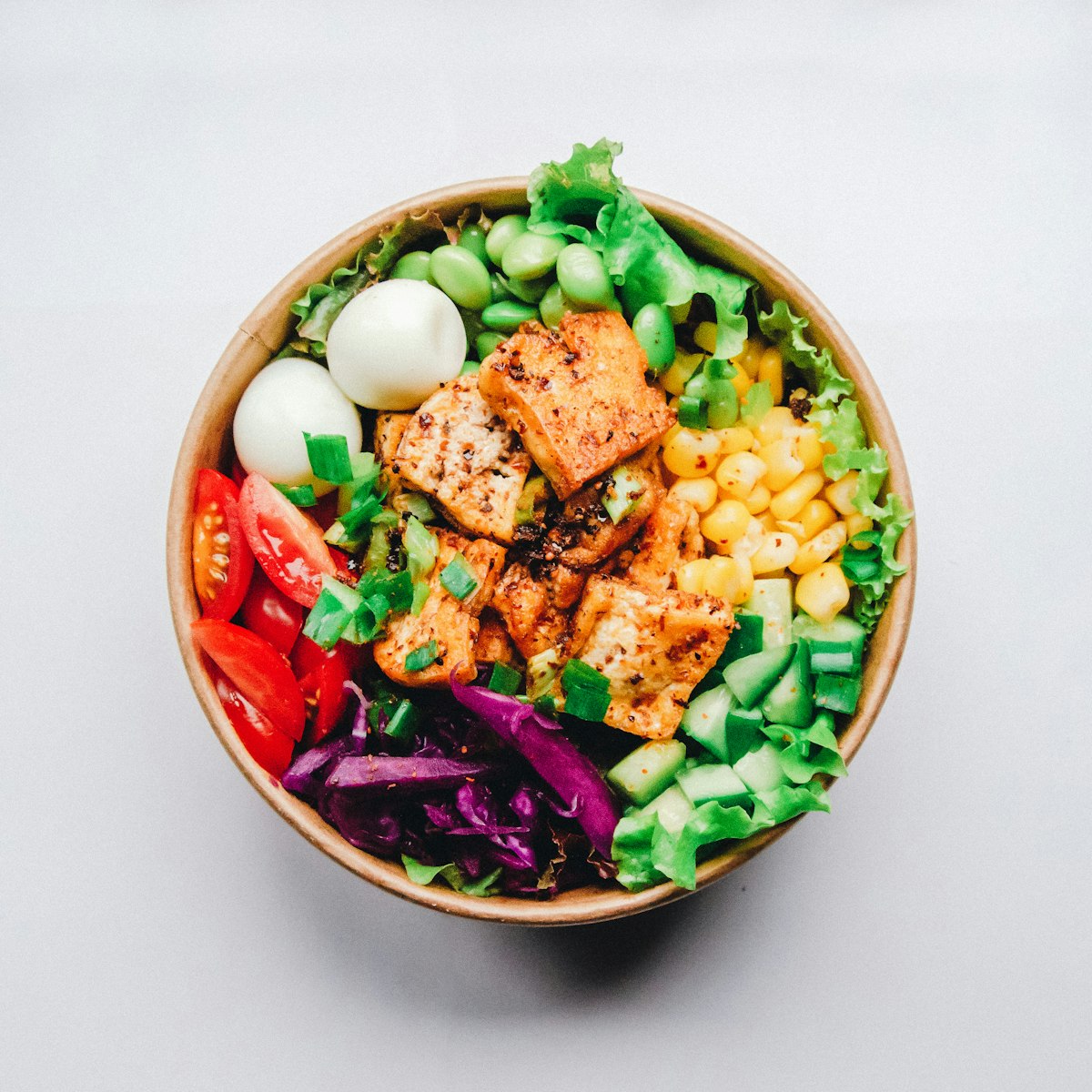
A well-stocked kitchen makes consistently good breakfasts effortless. These are the pantry and refrigerator staples worth keeping on hand at all times.
Pantry essentials: Rolled oats (old-fashioned, not instant — the texture is incomparably better), wholemeal flour, plain flour, baking powder, baking soda, coconut oil or good unsalted butter, pure maple syrup, honey, sea salt, vanilla extract, cinnamon, mixed spice, and a variety of nuts and seeds (almonds, walnuts, pumpkin seeds, sunflower seeds, chia seeds, flaxseed).
Refrigerator staples: Free-range eggs (the most versatile breakfast ingredient in existence — never be without them), whole milk or your preferred plant milk, Greek yoghurt, good quality back bacon or smoked salmon for weekend cooking, fresh fruit (bananas, berries, and oranges have the best shelf life), aged Cheddar for omelettes, and quality bread (sourdough or wholemeal).
Seasonal produce guidance: Spring — asparagus with poached eggs, pea shoots, watercress. Summer — stone fruits (peaches, nectarines) with yoghurt and honey, fresh tomatoes for shakshuka. Autumn — pears with ginger oats, butternut squash in breakfast bakes. Winter — blood oranges, forced rhubarb with porridge, root vegetables roasted for weekend brunch hashes.
Quality markers for key ingredients: Eggs — look for free-range or pasture-raised; the yolk should be deeply orange, not pale yellow, indicating a diet rich in carotenoids. Oats — steel-cut are the least processed; rolled oats retain most nutrients; avoid "instant" oats heavily processed to reduce cooking time. Bread — look for short ingredient lists: flour, water, salt, yeast. The longer the ingredient list, the more additives compensate for shortcuts in fermentation time.
Exploring global breakfast traditions is one of the most pleasurable ways to expand your culinary repertoire. Here's a brief tour worth recreating at home.
Japan — Tamago Gohan and Miso Soup: Raw egg mixed with steaming white rice, a splash of soy sauce, and optional dashi creates tamagokake gohan — Japan's most beloved home breakfast. The combination is umami-rich, warming, and ready in under three minutes. Alongside a bowl of miso soup with tofu and wakame, it provides protein, probiotics (from the miso), and complex carbohydrates in a format that is simultaneously comforting and light.
India — Dosa with Sambar: The fermented rice and lentil crepe of South India is a masterpiece of food science. The overnight fermentation produces a batter that is tangy, crispy when cooked, and packed with beneficial bacteria from the fermentation process. Served with sambar (a vegetable and lentil soup spiced with tamarind and curry leaves) and coconut chutney, it delivers complete protein, complex carbohydrates, and extraordinary depth of flavour.
Mexico — Chilaquiles: Yesterday's tortilla chips simmered in salsa verde or roja until just softened, topped with fried eggs, queso fresco, crema, sliced avocado, and pickled jalapeños. Chilaquiles are the Mexican approach to "no-waste cooking" and the result is one of the most satisfying breakfasts in the world — simultaneously crispy and saucy, spicy and cooling, rich and fresh.
Middle East — Shakshuka: Eggs poached directly in a spiced tomato sauce fragrant with cumin, coriander, harissa, and garlic. One pan, minimal washing up, extraordinary flavour. The dish originated in North Africa and spread through the Levant, Israel, and Turkey. Serve with warm flatbread to scoop up every last drop of sauce.
Scandinavia — Smørrebrød: Open-faced rye bread sandwiches topped with ingredients like pickled herring, cream cheese, cucumber, dill, and sliced hard-boiled eggs. Dense, nutty sourdough rye bread provides slow-release carbohydrates; the toppings add protein, healthy fats, and probiotics. It's the polar opposite of the sugary cereal breakfast and produces a completely different kind of morning energy — calm, sustained, and focused.
Find your perfect recipe with our tools:
