
American
Turkey Vegetable Soup
(4.7)
45 min·6 servings·210 kcal
View Recipe
49 recipes in this collection
Nutrient-dense, genuinely delicious recipes that prove healthy eating doesn't mean boring eating.


49+
Healthy Recipes
Step-by-Step
Instructions
Full Nutrition
Every Recipe
Healthy eating is one of the most frequently discussed and most frequently misunderstood topics in modern culture. The $700 billion global wellness industry has created a noise environment so thick with contradictory advice — keto vs. plant-based, low-fat vs. high-fat, fasting vs. frequent small meals — that many people have simply given up trying to navigate it. But the core science of healthy eating is actually remarkably stable and relatively simple: eat mostly whole foods, plenty of vegetables and fruits, adequate protein, and avoid ultra-processed products that engineer overconsumption through combination of fat, salt, sugar, and texture. The recipes in this collection are built on these evidence-backed foundations while being genuinely delicious, because sustainable healthy eating must be enjoyable, not punitive.
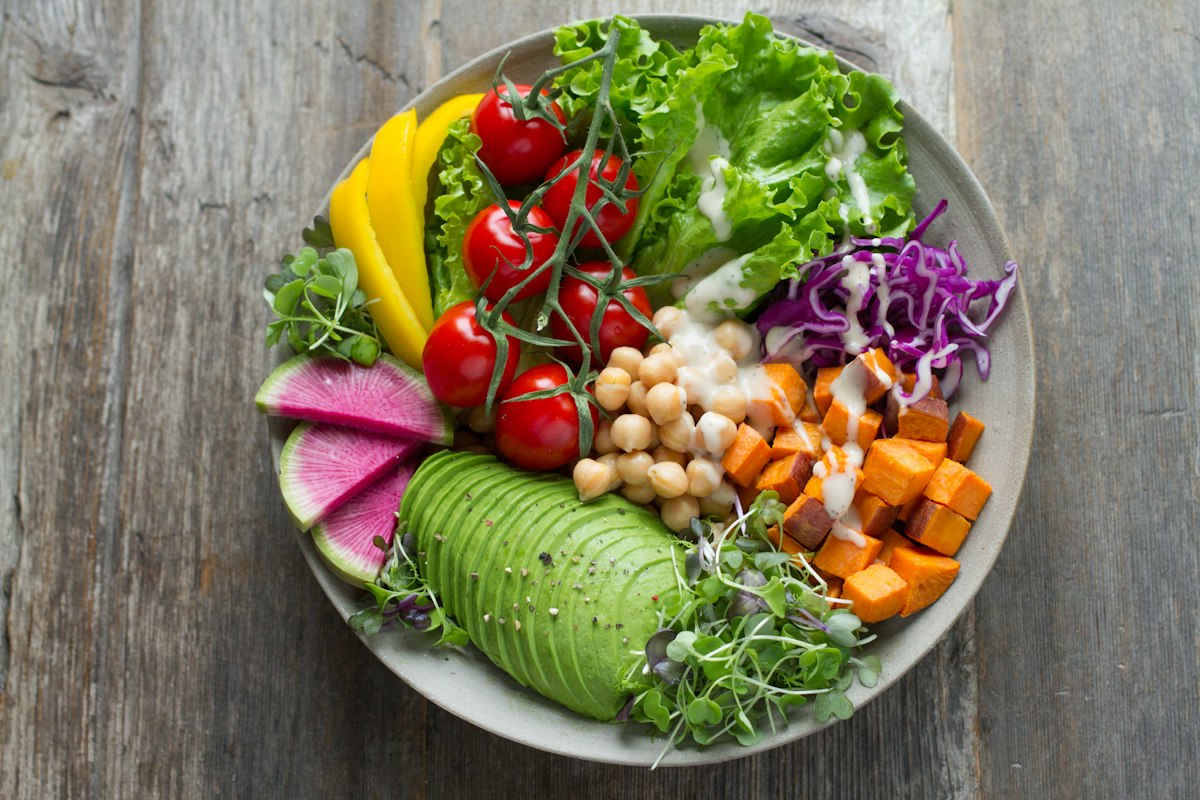
Decades of nutritional epidemiology — the study of how populations eat and how this relates to their health outcomes — has produced a remarkably consistent picture, even if the specific mechanisms of individual nutrients remain debated. These are the principles that appear across every major long-running population study, from the Seven Countries Study that identified the Mediterranean diet in the 1960s to the current UK Biobank data following 500,000 participants.
Principle 1 — Food quality over macronutrient ratios: Whether a diet is low-carb or high-carb, low-fat or high-fat, matters less than the quality and processing level of the foods within it. Traditional high-carbohydrate diets in Japan and Okinawa, and the high-fat Mediterranean diets of Crete, both produce excellent health outcomes because both are built from whole, minimally processed foods. The Western diet that produces poor health outcomes is not "high-carb" or "high-fat" — it is high in ultra-processed food engineering.
Principle 2 — Vegetable and fruit abundance: Every credible nutritional authority — from the World Health Organisation to the British Dietetic Association — recommends a minimum of 400g of fruit and vegetables per day (the "5-a-day" guideline). Large meta-analyses suggest the benefits continue to increase up to 800g per day. The mechanisms are multiple: fibre feeds beneficial gut bacteria; polyphenols (the compounds that give produce its colour) have anti-inflammatory and antioxidant effects; micronutrients support enzymatic function; water content from produce contributes to hydration.
Principle 3 — Adequate protein at every meal: Protein is the most satiating macronutrient — it triggers the release of gut hormones including PYY, GLP-1, and CCK that signal fullness to the brain. Research consistently shows that higher-protein diets (1.6-2.2g per kg of body weight daily for active individuals; 0.8-1.2g for sedentary) are associated with better body composition, preserved muscle mass during weight loss, better metabolic health, and improved cognitive function. Distribution matters: spreading protein across three meals (rather than concentrating it in dinner) optimises muscle protein synthesis.
Principle 4 — Minimise ultra-processed food: Ultra-processed foods (UPF) — defined as products manufactured using industrial processes and containing additives like emulsifiers, flavourings, humectants, and sweeteners not found in home kitchens — now make up approximately 57% of calories consumed in the UK and 60% in the USA. A landmark 2023 study in the British Medical Journal found that UPF consumption was significantly associated with higher risks of obesity, type 2 diabetes, cardiovascular disease, depression, and certain cancers, independent of sugar, fat, and calorie content. The most practical heuristic: if a product has more than five ingredients and contains items you wouldn't find in a home kitchen, it is likely ultra-processed.
Principle 5 — Hydration: Even mild dehydration (1-2% of body weight) impairs cognitive performance, increases fatigue, reduces physical endurance, and triggers hunger signals that are actually thirst signals. The "eight glasses of water per day" rule is outdated and not evidence-based; actual needs vary dramatically by body size, climate, and activity level. A practical guideline: your urine should be pale yellow (not clear, not dark amber). Most adults need 1.5–2.5 litres of total fluid daily, including fluid from food.
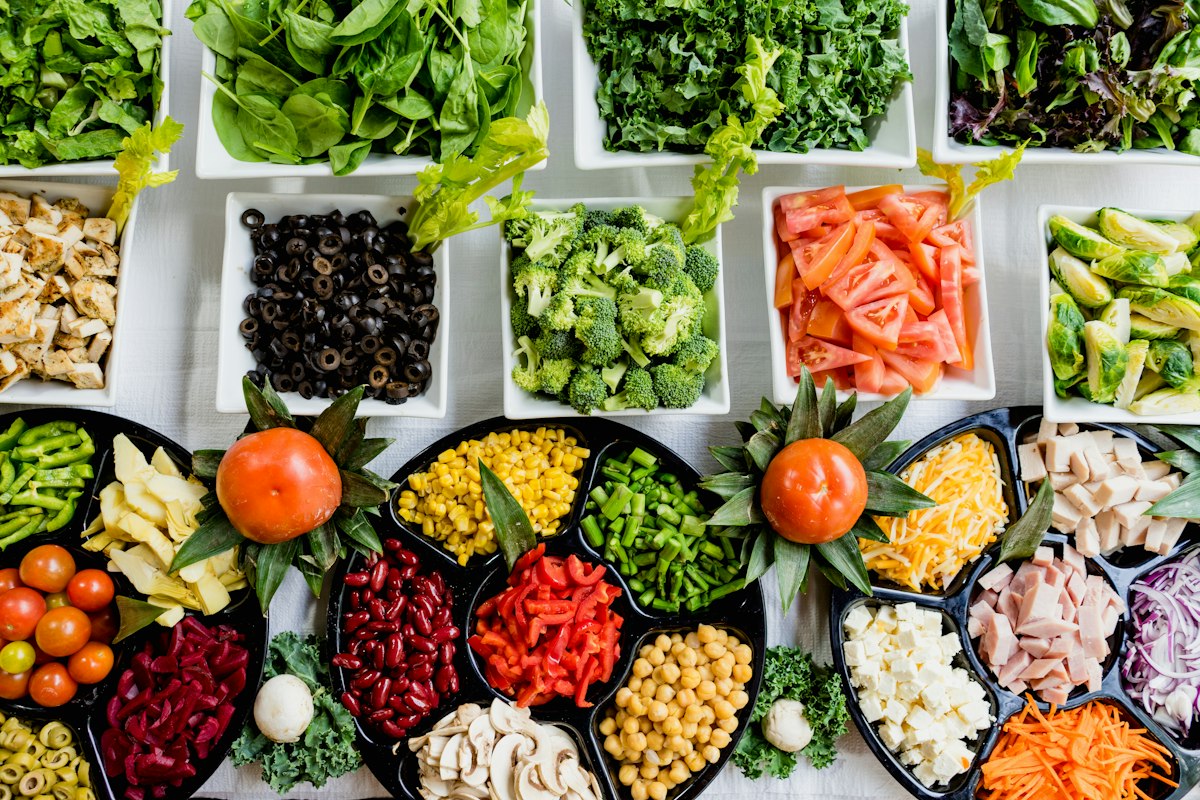
The Protein-Forward Plate: Half the plate with non-starchy vegetables (any colour combination), one quarter with lean protein (grilled chicken, fish, tofu, legumes), one quarter with complex carbohydrates (quinoa, brown rice, sweet potato). Add a thumb of healthy fat (avocado, olive oil, nuts). This template works for all three meals and can accommodate any cuisine or flavour profile — the same structure works for a Japanese bowl, a Mediterranean plate, or a Mexican-inspired bowl.
The Big Salad: The anti-sad-salad. A genuinely satisfying salad requires: a base of mixed leaves and/or shredded cabbage; substantial protein (30g+); something creamy (avocado, tahini dressing, cheese, soft-boiled egg); something crunchy (seeds, croutons, roasted chickpeas); something acidic (pickled vegetables, good vinegar in dressing); something sweet (roasted beetroot, pomegranate seeds, dried cranberries). This combination of contrasting textures and flavours is genuinely enjoyable rather than merely virtuous.
The Nourishing Bowl: The grain bowl format is the meal-prep champion: a cooked whole grain (farro, quinoa, freekeh), roasted and/or raw vegetables, a protein, a sauce, and a textural element. Prepare the grain and vegetables in bulk; the bowl itself takes 3 minutes to assemble. Infinitely variable — Japanese-inspired with edamame and miso dressing; Mediterranean with roasted vegetables and tahini; Korean-inspired with bulgogi and gochujang.
The Hearty Soup: A vegetable-based soup with legumes provides extraordinary nutrition at minimal caloric cost. A two-litre pot of minestrone, lentil soup, or chicken and vegetable soup provides 4-6 servings of fibre-rich, micronutrient-dense eating. Batch-cook on Sundays; reheat in five minutes for the easiest possible healthy lunch or dinner.
Find your perfect recipe with our tools: