
American
Classic Banana Bread
(4.9)
70 min·10 servings·198 kcal
View Recipe
51 recipes in this collection
Life is short. Eat dessert first — or at least second. Cakes, custards, pastries, and everything sweet.


51+
Desserts Recipes
Step-by-Step
Instructions
Full Nutrition
Every Recipe
Quick Jump
Dessert is the delicious coda to a meal — the sweet punctuation mark that signals completion and provides a distinct sensory shift from the savoury world of starters and mains. The history of dessert follows the history of sugar: before the industrial-era democratisation of cane sugar, sweet courses were reserved for the wealthy, who demonstrated their status through elaborate sugar sculptures and spun confections. Today, the dessert tradition encompasses everything from a single square of excellent dark chocolate eaten with purpose to a towering croquembouche assembled over three days for a wedding celebration. The art of dessert-making draws on chemistry, precision, and creativity in equal measure, making pastry and baking some of the most technically demanding and intellectually satisfying forms of cooking.
Unlike savoury cooking, where improvisation and adjustment are encouraged, pastry and dessert-making require an understanding of the underlying chemistry because even small deviations in ingredient ratios can dramatically change the final result. Sugar is not merely a sweetener — it is a structural element, a moisture retainer, a crystallisation controller, a browning agent, and a preservative simultaneously. Fat is not merely richness — it is what gives pie crust its flakiness, cake its tenderness, and ganache its silkiness. Understanding what each ingredient does allows you to troubleshoot failures intelligently and innovate with confidence.
Sugar's many roles: In meringue, sugar stabilises whipped egg whites by increasing the density of the foam, preventing the liquid from draining and the structure from collapsing. In caramel, heated sugar undergoes a complex series of reactions at temperatures above 160°C, producing hundreds of flavour compounds with bitter, nutty, and buttery notes that bear no resemblance to the original white crystals. In ice cream, dissolved sugar lowers the freezing point of the mixture, preventing it from becoming rock-solid. In buttercream, sugar provides structural support for the fat-and-air emulsion. The type of sugar used — white granulated, brown, icing, muscovado, honey, maple syrup — significantly affects the flavour and texture of the final product because each contains different ratios of sucrose, glucose, fructose, and flavour-carrying molasses.
The role of eggs: Eggs perform extraordinary functions in desserts. The proteins in egg whites, when whipped, can increase in volume by up to eight times, creating structures of extraordinary lightness (soufflés, meringues, chiffon cakes). Egg yolks, rich in lecithin, are natural emulsifiers that keep fat and water-based ingredients from separating — essential in custards, curds, and ganaches. When whole eggs are baked, their proteins set (coagulate) and create structure. The temperature at which this happens (between 63°C and 85°C depending on the recipe) is the critical control point of custard-based desserts.
Fat in pastry: The difference between flaky pie crust and mealy pie crust comes down to how fat is incorporated. Flaky pastry is produced when fat remains in distinct, visible pieces in the dough — when baked, steam created between the layers pushes them apart, producing the characteristic flakiness. Mealy pastry (used for custard-filled pies where you don't want the liquid to soak through) is produced when fat is worked more thoroughly into the flour, coating the starch granules and reducing their ability to absorb liquid. The technique — rubbing in quickly for flaky, working longer for mealy — determines the outcome.
Chocolate Fondant (Lava Cake): The molten chocolate fondant is one of the most dramatic desserts in a restaurant pastry chef's repertoire and one of the most unexpectedly achievable at home. The key is temperature and timing: a warm chocolate batter is baked at high heat (200°C) for precisely 10-12 minutes — long enough for the exterior to set into a soft cake while the interior remains liquid. A ramekin pre-buttered and dusted with cocoa powder is essential (this prevents sticking and adds a beautiful cocoa crust). The entire dessert can be prepared hours in advance and refrigerated, baking to order in the last 12 minutes before serving.
French Crème Brûlée: The contrast of the cracked, caramelised sugar surface and the cold, silky vanilla custard beneath is one of the most satisfying textural experiences in all of dessert. The custard is made by heating cream with vanilla, tempering in egg yolks (adding hot cream to yolks gradually to avoid scrambling), pouring into ramekins, and baking in a water bath at 150°C for 35-40 minutes until barely set. The crème beneath the brittle must be kept cold until the moment of service — which is why professional kitchens always keep brûlées refrigerated and caramelise the sugar only when ordered.
Tiramisu: The Venetian dessert that conquered the world. Ladyfinger biscuits soaked in strong espresso and Marsala wine, layered with a mascarpone and sabayon cream, and dusted with bitter cocoa. The tension between the bitter coffee, the sweet cream, and the slightly alcoholic sabayon is masterful. The texture — soft and yielding but not wet — is a result of the sabayon (egg yolks beaten over hot water until thick and pale) stabilising the mascarpone and preventing it from becoming too liquid.
Japanese Cheesecake: The Japanese soufflé cheesecake, also known as "cotton cheesecake," achieves a texture unlike any Western equivalent — extraordinarily light, cloud-soft, and only gently sweet. The technique combines a standard cream cheese base with beaten egg whites folded in just before baking in a water bath at low temperature. The result is a cake that bounces gently when touched and practically dissolves on the tongue. Its delicacy requires some technical care but rewards patience with one of the most unique dessert experiences possible.
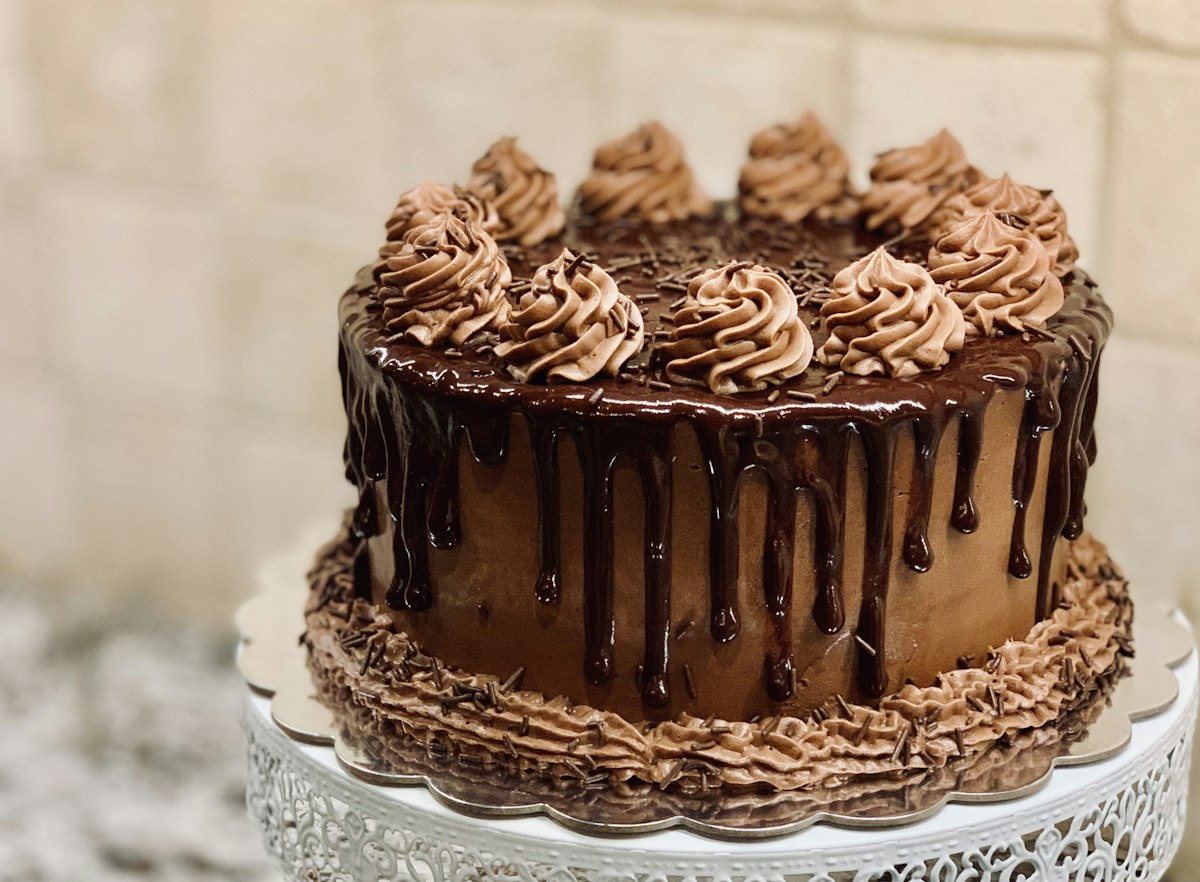
Tempering Chocolate: Tempered chocolate has a glossy finish, a firm snap, and melts cleanly at body temperature. Untempered chocolate (chocolate that has been melted and allowed to cool without control) blooms white — the cocoa butter separates and crystallises on the surface. Tempering involves melting chocolate to 45-50°C, cooling it to 27°C while agitating (to seed stable cocoa butter crystals), then reheating to 31-32°C (working temperature). This process, while intimidating, becomes straightforward with practice and a thermometer, and opens up the world of chocolate bonbons, bark, and dipped confections.
Choux Pastry: The basis of profiteroles, éclairs, Paris-Brest, and chouquettes. Choux is unique in that the paste is cooked twice — once on the hob (water, butter, flour cooked together until the paste pulls cleanly from the sides of the pan) and once in the oven (where steam from the water content of the eggs causes dramatic expansion). Getting the egg ratio right is critical: the paste should be glossy and fall in a smooth, thick ribbon from the spoon. Too much egg and the choux spreads; too little and it won't expand. The cavity formed during baking is ready to receive pastry cream, whipped ganache, or ice cream.
Pâte Sucrée (Sweet Shortcrust): The classic base for French tarts. Made by creaming butter with icing sugar until pale, adding eggs, then incorporating flour with minimal mixing (overworking develops gluten and toughens the pastry). The resulting dough is short (literally — it "falls short" of chewiness), crumbly, and rich, providing an excellent contrast to creamy fillings. Blind-baking (pre-baking the shell with baking weights before filling) prevents the dreaded soggy bottom.
Find your perfect recipe with our tools:

