
American-Italian
Caesar Salad with Homemade Dressing
(4.7)
25 min·4 servings·320 kcal
View Recipe
49 recipes in this collection
Midday meals that energize — from hearty sandwiches and soups to fresh salads and satisfying bowls.


49+
Lunch Recipes
Step-by-Step
Instructions
Full Nutrition
Every Recipe
Quick Jump
Lunch occupies a fascinating middle ground in the culinary day — it must be substantial enough to carry you through the afternoon without inducing the post-meal lethargy that derails productivity. Whether you're packing a lunch box for work, assembling a quick home meal between meetings, or sitting down to a long, leisurely weekend lunch at a restaurant, the midday meal is an opportunity to reset, refuel, and take a genuine pause from the relentless pace of modern life. The French understand this better than anyone: in France, a proper lunch remains a protected cultural institution, with the average French worker taking 22 minutes to eat — more than double the American average of 9 minutes. The research is clear that eating without distraction, at a table, improves both digestion and satisfaction.
The ideal lunch delivers roughly one-third of your daily caloric needs (typically 500–700 calories for most adults) with a macronutrient balance that sustains focus and energy without causing the dreaded 2pm slump. That post-lunch torpor is almost entirely diet-mediated: high-glycaemic lunches — white bread sandwiches, refined pasta, sugary drinks — cause a blood glucose spike and subsequent crash that quite literally slows neural activity. Substituting complex carbohydrates, adequate protein, and generous vegetables transforms the afternoon experience.
The MOLE method (Mixture of Lean protein, Oil-based fats, Leafy greens, Energising carbs) is a practical framework for building any lunch without rigidly following a recipe. Fill half your plate or container with vegetables and leafy greens. Add a palm-sized portion of lean protein. Add a thumb-sized portion of healthy fat. Fill the remainder with complex carbohydrates. This formula works for salads, grain bowls, wraps, soups, and bento boxes alike.
Key proteins for lunch: Grilled chicken breast (31g protein per 100g), canned tuna in water (25g per 100g), hard-boiled eggs (13g per 100g), lentils (9g per 100g cooked), edamame (11g per 100g), chickpeas (9g per 100g). These are all easily incorporated into portable packed lunches without refrigeration issues (assuming standard insulated bag practices).
The fibre imperative: A lunch containing 8–12g of dietary fibre — from vegetables, wholegrains, and legumes — sustains gut bacteria, moderates glucose absorption, and produces short-chain fatty acids that have genuine anti-inflammatory effects. This is not a theoretical benefit: a high-fibre lunch produces measurably better afternoon cognitive performance compared to a low-fibre equivalent.
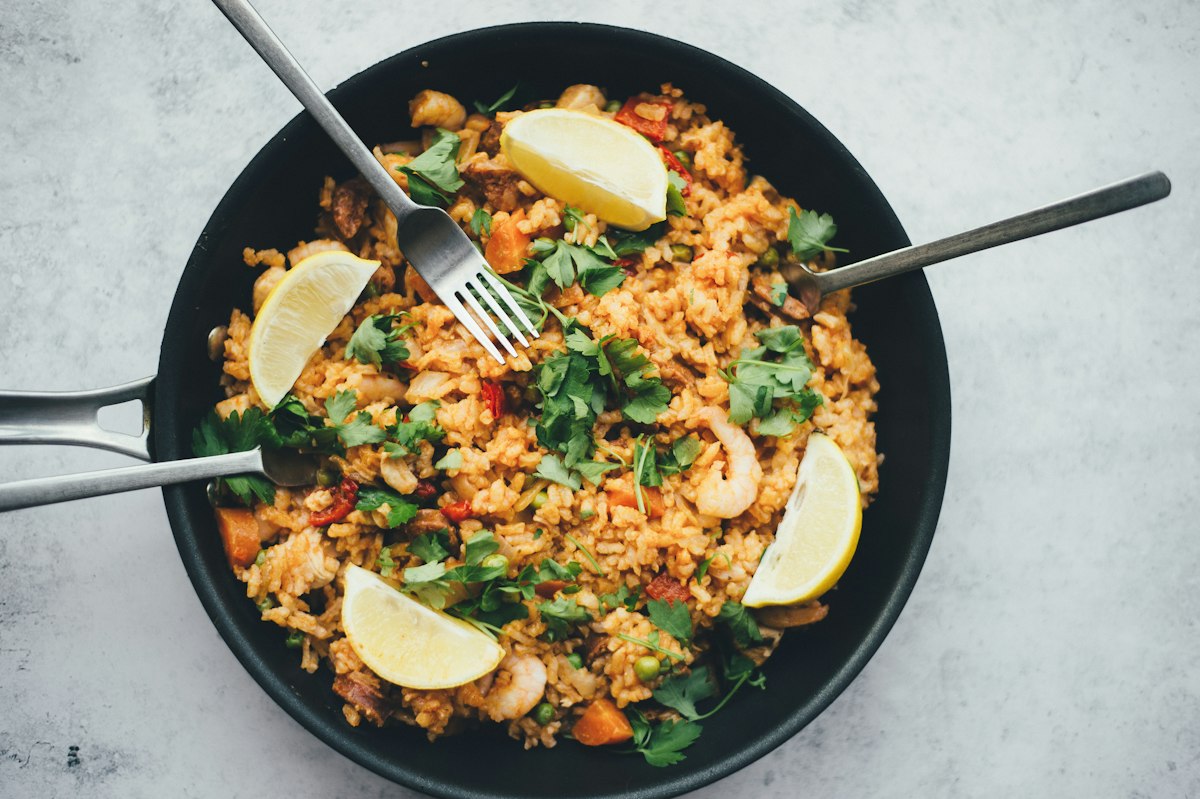
Grain bowl mastery: The grain bowl is one of the most flexible lunch formats in existence. Start with a cooked grain base (farro, brown rice, quinoa, freekeh, barley), add roasted or raw vegetables, a protein source, a flavourful sauce, and a crunchy textural element (seeds, croutons, pickled onions). The beauty is infinite variability from a consistent structure. Prepare the grain base and roasted vegetables in bulk on Sunday; assembly takes three minutes each morning.
Soup immersion: A well-made soup is one of the most nutritionally efficient lunches available. The soluble fibre from vegetables dissolves into the broth, creating a hydrating, deeply satisfying meal at very low caloric density. Studies have shown that eating the same ingredients as a soup versus a solid meal produces greater satiety for longer — the liquid volume extends gastric emptying time. Master five or six base soups (minestrone, chicken noodle, lentil, tomato, leek and potato) and you have the framework for hundreds of variations.
Building better sandwiches: The sandwich is the world's most popular portable lunch format and one of the most frequently executed poorly. The key upgrades: use quality bread (sourdough's fermentation process lowers glycaemic index compared to standard loaves); spread fat right to the edges (this prevents sogginess by creating a barrier between bread and wet ingredients); layer thoughtfully (sturdy ingredients adjacent to bread, delicate items in the middle); and use acid (pickles, marinated vegetables, mustard) to cut through fat and add complexity.
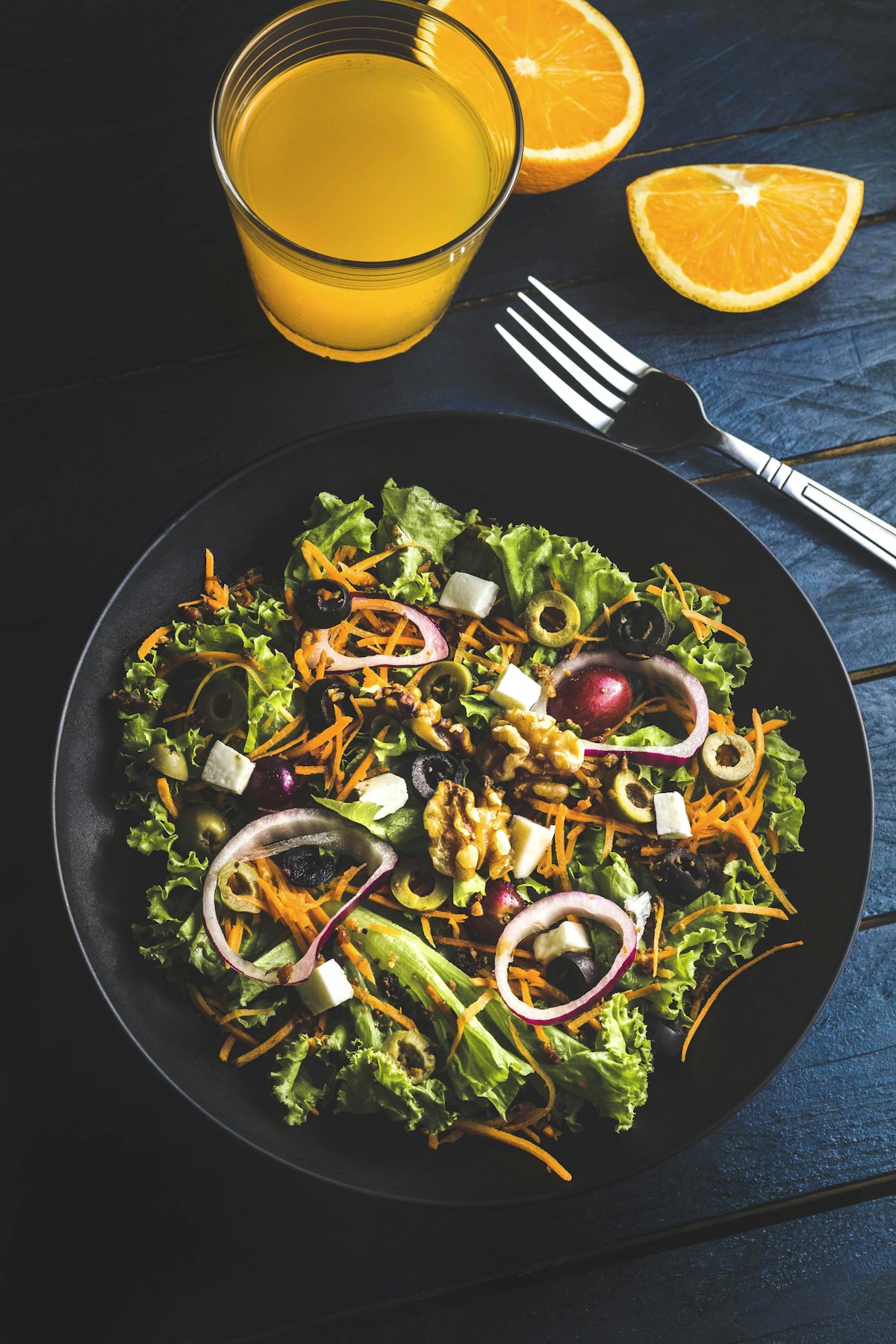
Salad construction that doesn't wilt: The secret to a packed salad that remains crispy at lunchtime is the layering order. In your container, place the dressing first at the bottom, then dense vegetables (cucumber, carrot, radish, cherry tomatoes), then grains or protein, then fragile leaves on top. Keep the lid closed and invert only when ready to eat. The leaves never touch the dressing until the moment of eating, ensuring perfect texture every time.
Vietnamese Bánh Mì: The bánh mì sandwich is a product of French colonial history and Vietnamese ingenuity. A short, crispy baguette (lighter and airier than its French ancestor due to the addition of rice flour) stuffed with a combination of marinated protein (pâté, char siu pork, tofu), pickled daikon and carrot, fresh cucumber, coriander, and chilli. The combination of textures — crispy, soft, crunchy, tender — and flavours — rich, sour, fresh, spicy — is extraordinary. It is also, remarkably, one of the most complete lunches nutritionally: carbohydrates, protein, fat, fibre, and fermented vegetables all in one hand-held package.
Middle Eastern Mezze: A spread of small plates — hummus, baba ganoush, tabbouleh, falafel, stuffed vine leaves, labneh, olives, pickles — served with warm flatbread. The mezze tradition embodies the Mediterranean principle of variety over volume: many small portions of intensely flavoured, nutritionally diverse foods consumed slowly in company. Research consistently identifies the Mediterranean diet as among the most health-protective eating patterns in existence, and the mezze lunch is its purest expression.
Japanese Bento: The Japanese bento box is the world's most sophisticated lunch format. A well-composed bento achieves nutritional completeness, aesthetic beauty, and portion control simultaneously. The traditional components — rice, protein (fish, meat, or tofu), pickled vegetables, tamagoyaki (rolled omelette), and seasonal vegetables — provide a near-ideal macronutrient balance in approximately 600 calories. The careful arrangement in divided compartments prevents flavours from mingling and treats the act of eating as worthy of aesthetic consideration.
Greek Salad (Horiatiki): The authentic Greek country salad — chunky tomatoes, cucumber, Kalamata olives, red onion, green pepper, and a thick slab of feta cheese dressed with extra-virgin olive oil and dried oregano — is one of the great simple lunches. It requires no cooking, no skill, and minimal equipment, yet the quality of the ingredients elevates it to genuine luxury. The combination of oleic acid from the olive oil, probiotics from the feta, and antioxidants from the vegetables makes it simultaneously delicious and profoundly healthy.
The weekly lunch meal prep is one of the highest-return-on-investment cooking activities you can adopt. Ninety minutes on Sunday afternoon can produce five complete, nutritionally balanced, genuinely delicious lunches that cost a fraction of takeaway alternatives and require zero decision-making during the busy workweek.
The 90-minute Sunday strategy: Begin with whatever takes longest. Put a pot of grains (farro, brown rice, or barley — all take 30–45 minutes) on the hob. While it cooks, prep and roast two large baking sheets of vegetables (root vegetables at 200°C for 35 minutes; brassicas and courgette for 20 minutes). Simultaneously, poach or bake your protein of the week (a whole chicken, a block of tofu, a can of chickpeas seasoned and roasted). Prepare a versatile sauce — tahini dressing, pesto, or a spiced vinaigrette — that can dress multiple iterations throughout the week. By the time the grains are done and the vegetables roasted, you have the components for five different grain bowls or wraps. Store each component separately and assemble daily for maximum freshness.
Storage guidelines: Cooked grains: 5 days refrigerated. Roasted vegetables: 4 days refrigerated. Cooked proteins: 3 days refrigerated (4 for legumes). Sauces: 1 week refrigerated. Leafy greens: store whole and dry, tear only at assembly. Never pre-dress salads that will be stored — acid degrades texture within hours.
Transport solutions: Invest in a good insulated lunch bag and a set of leak-proof glass containers. Glass is preferred over plastic for both food safety (no leaching of chemicals into acidic foods like tomato-based dishes) and temperature retention. Bento-style divided containers prevent component mixing and make visual portion control effortless.
Find your perfect recipe with our tools: